

One question comes up in almost every conversation with our future travelers: what should I pack? Preparing your gear for an overland expedition or safari in Africa is not something to take lightly. On a remote track, whatever you don't have in your bag simply won't be available. There is no shop at the end of the dune. Packing well doesn't mean packing heavy—it means packing smart.
The good news is that you don't need to worry about most of the technical equipment. The 4x4 vehicles, recovery gear, shared camping equipment, and convoy logistics are all handled by our team. Your focus is on your personal gear—the items that will determine whether you sleep comfortably, cope with the temperature differences between midday and midnight, and enjoy the scenery instead of struggling with the sand. Here's how to prepare, step by step.
Overland Expedition and Safari Gear in Africa: What's Included and What's Not
Before you start pulling your bag out of the closet, let's clarify what's covered. African Trip provides fully prepared and maintained 4x4 vehicles, all onboard technical equipment, convoy communication systems, and shared camping gear, including tents, camp kitchen equipment, water supplies, and communal lighting. In other words, everything that is heavy, technical, and requires specialist maintenance. You don't need to buy it, transport it, or inspect it. That's our job—and it's an essential part of keeping every journey safe.
What remains your responsibility is your personal equipment: clothing, individual sleeping gear (depending on the trip format), toiletries, personal medications, electronic devices, and travel documents. This list is never exactly the same from one journey to another. A winter expedition in the Moroccan desert, a route through Mauritania and Senegal, or a safari in Southern Africa all require different clothing materials, layers, and approaches to water management. Camping arrangements also vary depending on whether you'll be sleeping in a ground tent or a rooftop tent. Our different road trip formats don't all require the same type of luggage.
That's why we send every traveler a personalized packing list after the trip is confirmed, tailored to the season, destination, and travel format. For Southern Africa, where nights in wildlife reserves and long game drives require specific equipment, we've covered everything in detail on our dedicated page about equipment for South Africa The principle remains the same wherever you travel: you don't have to guess—we'll tell you exactly what to pack.
Clothing and Fabrics: Dressing for the Desert's Extreme Temperature Swings
This is the area that travelers tend to underestimate the most. The desert isn't simply a hot place—it's a place of extremes. In a single day, you may be sweating under the blazing midday sun and reaching for a fleece as soon as night falls. Many first-time visitors are caught off guard because they've packed only summer clothes. The solution isn't to bring two separate wardrobes but to think in layers: a moisture-wicking base layer, an insulating mid-layer, and an outer layer that protects against wind and sand. Add or remove layers as conditions change throughout the day.
When it comes to fabrics, natural fibers remain the most comfortable against the skin. Cotton and linen are breathable and cope well with dust, while lightweight wool stays warm even when slightly damp and resists odors—an important advantage during several consecutive days on the trail. Synthetic fabrics also have their place as technical layers because they dry quickly, but they're less suited to the heat of a campfire. Often, the most useful garment is also the simplest: a loose long-sleeved shirt offers better protection from the sun than a T-shirt, and a traditional desert scarf (cheche) remains one of the most versatile accessories you can bring.
Footwear deserves special attention. A pair of closed shoes that you've already broken in will protect your feet from rocks, thorny plants, and the heat of the ground. Never start an expedition wearing brand-new shoes—the trail is not the place to break them in. It's also worth packing a lightweight pair of shoes or sandals for the campsite. For more detailed advice on luggage and packing, check out our article on the packing list for a road trip in the Moroccan desert which covers everything you need to know.

Sleeping Gear and Camping: What Really Matters for a Good Night's Sleep
An overland expedition is won as much during the night as it is during the day. A traveler who doesn't sleep well quickly builds up fatigue and loses focus behind the wheel. The most important piece of equipment is your sleeping bag, and the only specification that truly matters is its comfort temperature rating, not its extreme temperature rating, which is intended for survival rather than restful sleep. Under the clear desert skies, where the ground loses heat rapidly after sunset, it's always better to have a sleeping bag that's slightly too warm and can be unzipped than one that's too light.
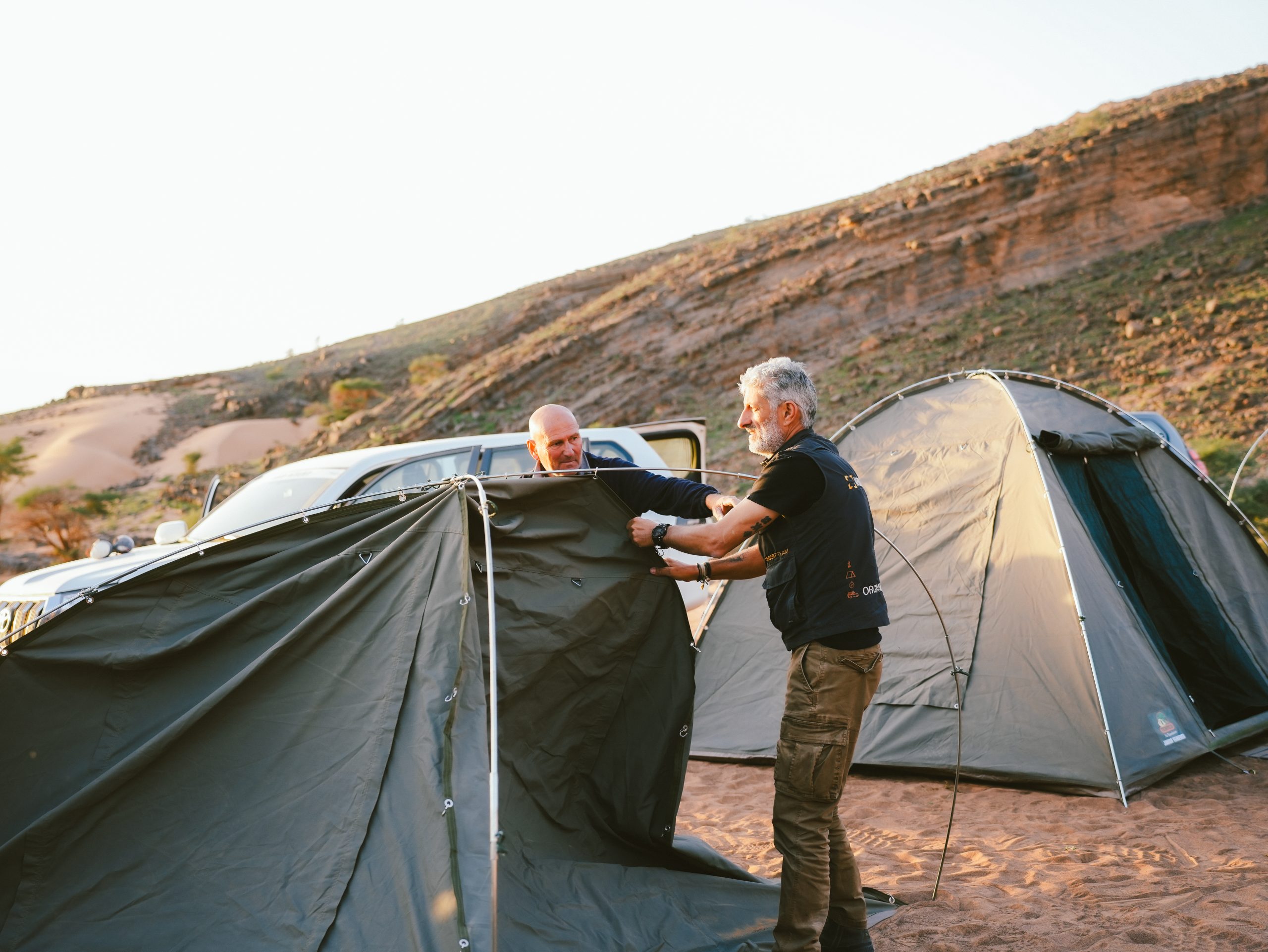
The second essential item is less obvious but just as important: insulation from the ground. You lose more body heat through contact with the earth than through the surrounding air, which means a good sleeping mat often contributes more to a comfortable night's sleep than an expensive sleeping bag. Depending on the trip format, sleeping equipment may be provided or may need to be brought by you, and we'll always let you know in advance. A rooftop tent offers better insulation, while a ground tent provides simplicity and a closer connection to the surrounding landscape.
Finally, don't overlook the small items that make a big difference. A headlamp with spare batteries is probably the single most useful accessory at camp, keeping both hands free to pitch a tent or find something at the bottom of your bag after dark. It's also worth bringing a few bags or organizers to keep clean items separate from those covered in sand. If you'd like to picture what these desert nights are really like, our story about sleeping under the stars during a desert camp perfectly captures the moment when silence settles over the landscape.
Health and Hygiene in Remote Areas: Prepare Instead of React
When traveling in remote areas, the rule is simple: prepare ahead, because once you're out there, improvisation is rarely an option. Sun protection comes first, and it's about more than just sunscreen. A wide-brimmed hat, sunglasses with proper UV protection, and a high-SPF sunscreen applied to the areas people often forget—the ears, the back of the neck, and the tops of the hands—are essential. The reflection of the sun on light-colored sand is surprisingly intense, and a sunburn on the first day can affect the rest of your journey.
Hydration is the second priority. The dry desert air dehydrates your body even when you don't feel yourself sweating, and by the time you're thirsty, you're already behind on fluids. That's why it's important to drink small amounts regularly throughout the day. Water supplies are managed by the convoy, but we recommend bringing your own reusable water bottle. It's more practical and helps reduce plastic waste in environments where it simply doesn't belong.
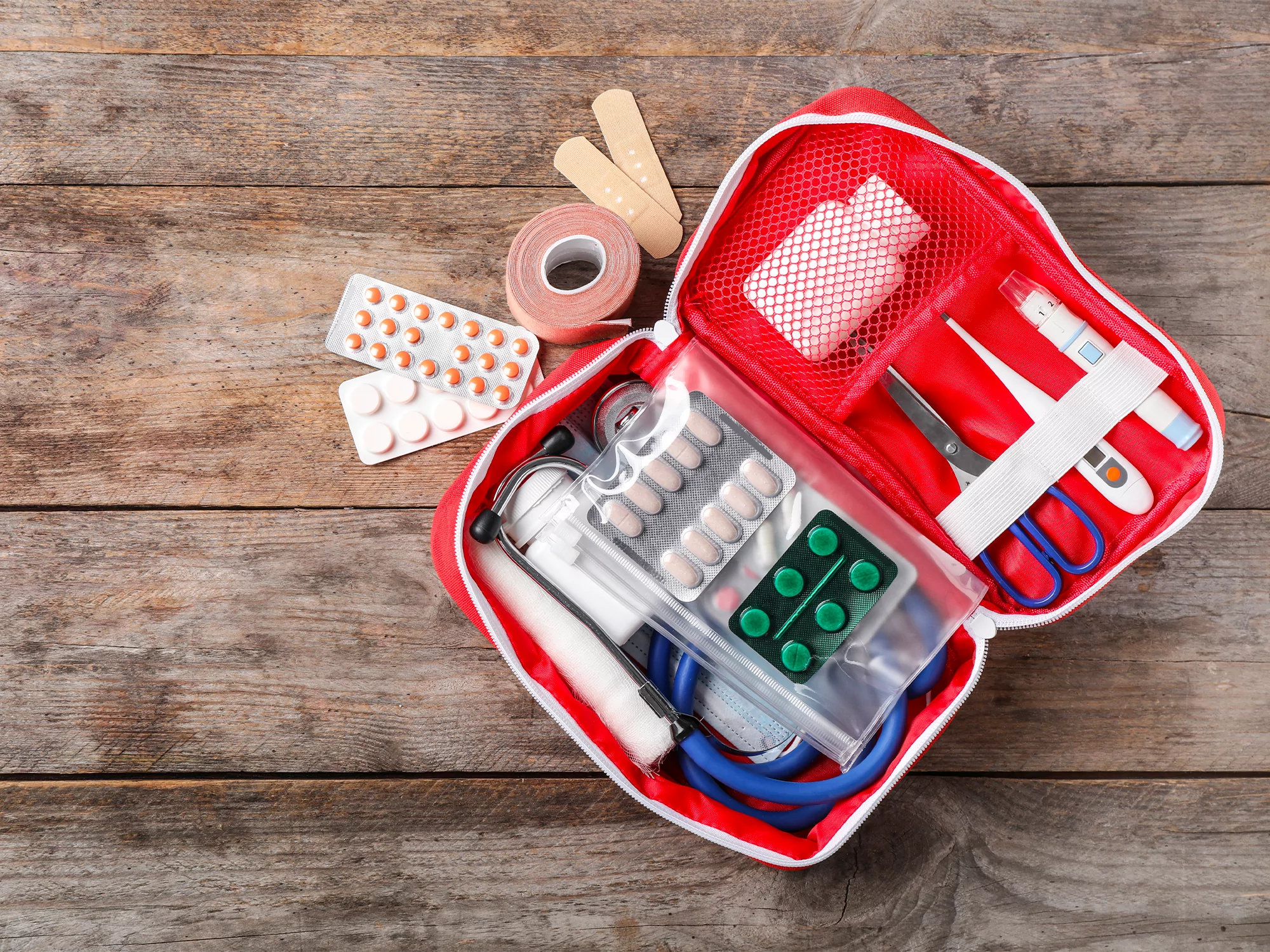
For everything else, keep it simple and personal. Bring enough of your regular medication to last the entire trip, ideally in its original packaging, along with a small comfort kit containing blister plasters, lip balm for dry lips, and saline solution for eyes irritated by sand. If you require prescription medication or have any medical concerns, speak with your doctor before departure. As for personal hygiene, you'll quickly learn that simplicity works best: a small bar of soap or biodegradable cleanser, a quick-drying microfiber towel, and a bag to carry your waste until it can be disposed of properly.
Electronics and Navigation: Completing Your Overland Expedition and Safari Gear
Power management is the first thing to plan for. At camp, there are no wall outlets—your devices are recharged while driving using the vehicle's power sockets. Bring the correct charging cables for all your devices, along with one or two high-capacity power banks that are fully charged before departure. Cold desert nights can significantly reduce battery performance, so keep your power banks and spare batteries inside your sleeping bag rather than leaving them outside. You'll preserve much more of their battery life.
Your camera is another piece of equipment worth preparing before the trip rather than once you're there. Sand is the enemy of camera sensors, and changing lenses in windy conditions is one of the quickest ways to damage your gear. A protective case, a sealed storage bag, a microfiber cloth, and a small air blower are usually all you need. Bring plenty of memory cards—you'll probably take more photos than expected. And don't forget to leave part of the experience for your own eyes. Some of the desert's most unforgettable moments are best enjoyed without looking through a screen.
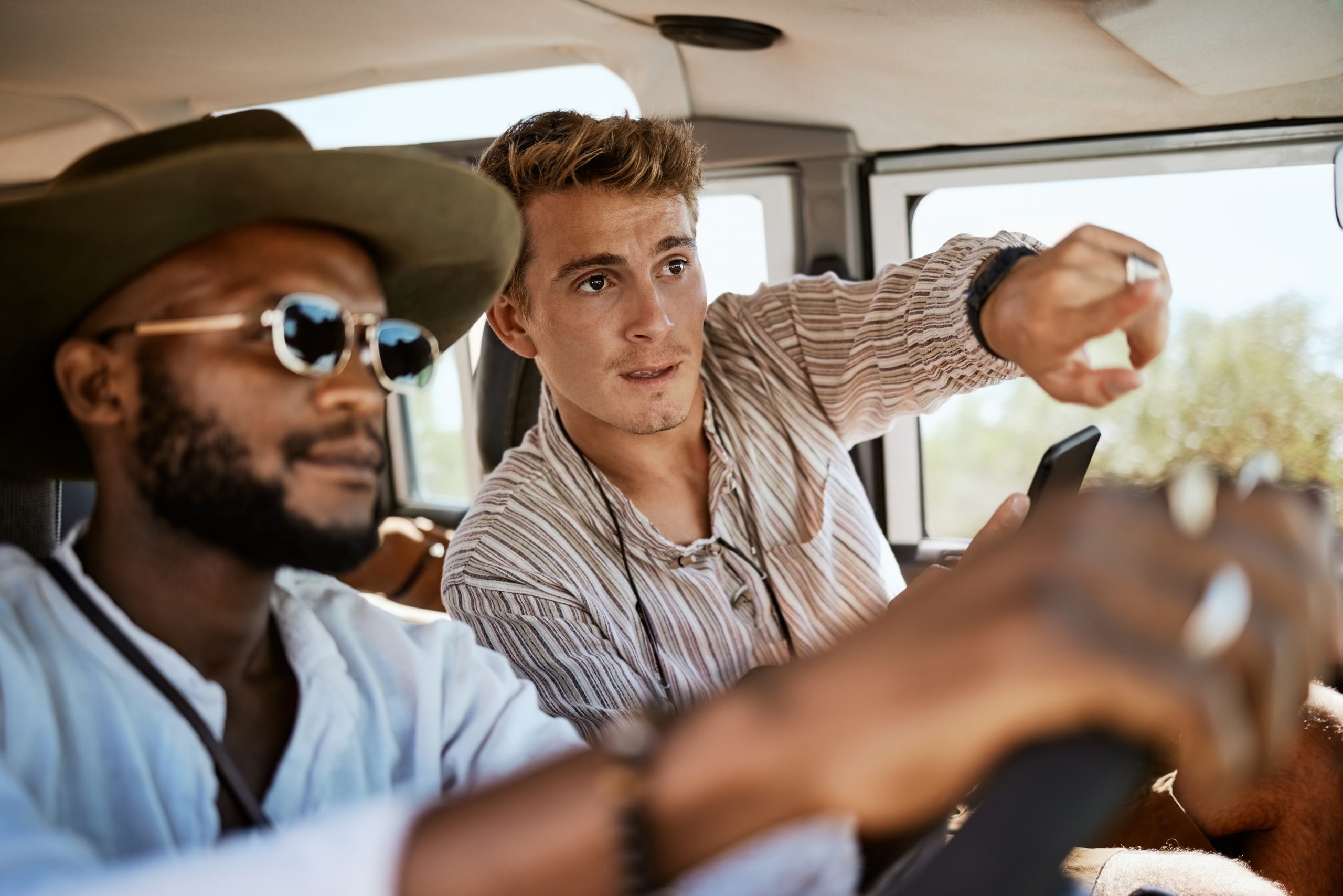
As for navigation, let's be clear: the convoy's GPS, route tracks, and road book are all managed by your guides, so you don't need to buy any navigation equipment. That said, learning how to navigate is part of the experience many travelers come to enjoy. Throughout the journey, our guides share practical navigation skills, and you'll quickly discover the satisfaction of reading a heading or following a route. A simple notebook and pencil are all you need to take notes along the way. You can learn more about this educational aspect in our profile of the African Trip's expert field guides
Preparing Before Departure: Documents, Fitness, and the Art of Traveling Light
Administrative preparations should be taken care of well in advance—never the day before departure. Make sure your passport remains valid well beyond your return date, obtain any required visas, and bring your driving licence if needed. It's also wise to make duplicate copies of all important documents: keep one printed copy in a separate bag and another digital version that can be accessed offline. Check that your travel insurance includes roadside assistance and emergency evacuation in remote areas, and discuss any recommended vaccinations or health precautions with your healthcare provider. These practical steps may not be the most exciting part of planning, but they allow you to start your adventure with complete peace of mind.
Many travelers worry unnecessarily about their fitness level. Our overland expeditions and safaris do not require exceptional physical condition or athletic ability—they are not endurance challenges. You'll spend most of your time driving, enjoy short walks, help set up and pack down camp, and experience long but rewarding days outdoors. A reasonable level of general fitness is more than enough, making these adventures suitable for families, groups of friends, and first-time explorers alike. If you have any medical conditions or specific needs, simply let us know before departure. It's always much easier to adapt the itinerary in advance than once you're out on the trail.
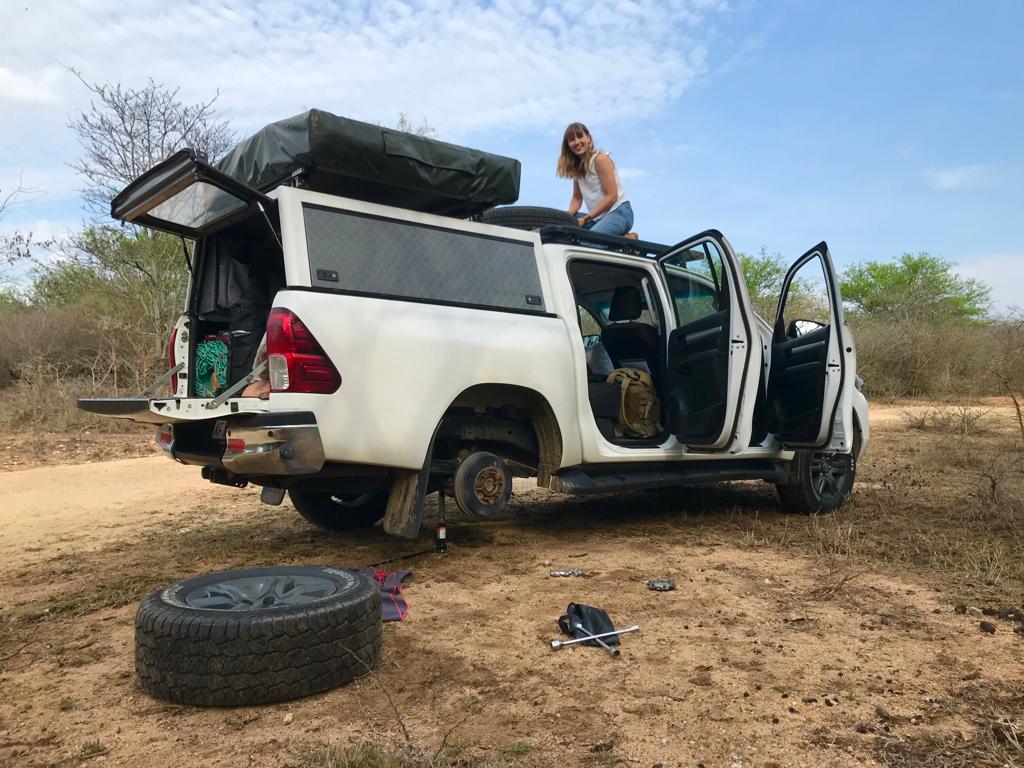
One final piece of advice comes from travelers who have already experienced life on the road: pack light. A soft travel bag fits much more easily into a fully loaded 4x4 than a rigid suitcase, and every item you leave behind is one less thing to search for at the bottom of the vehicle. Bring only a few versatile outfits that are easy to wash and dry quickly. Above all, pay close attention during the departure briefing. That's when we explain safety procedures, convoy organization, and how life at camp works—information that will make the rest of your journey smoother and more enjoyable.

Receive the Packing List Tailored to Your Expedition or Safari
There is no universal packing list—and that's actually good news. The equipment needed for a winter expedition in southern Morocco is very different from what you'll need for a safari in Southern Africa, and a family road trip doesn't require the same gear as a two-person rally-style adventure. Instead of relying on a generic checklist found online, we'll send you one that's been created specifically for your destination, the season, and the format of your trip.
Our packing list is practical, concise, and tested in the field. It clearly explains what we provide and what you need to bring, recommends the materials and clothing that truly perform in your destination, and helps you avoid the two most common mistakes: packing too many unnecessary items or forgetting the few essentials that would have made all the difference. We refine this checklist after every journey based on feedback from our travelers and our experience on the ground.
Planning an overland expedition, road trip, or safari and wondering exactly what to pack?
Get in touch with us
We'll take the time to understand your project, assess it against real conditions on the ground, and support you from the first planning conversation all the way through to your return home.


