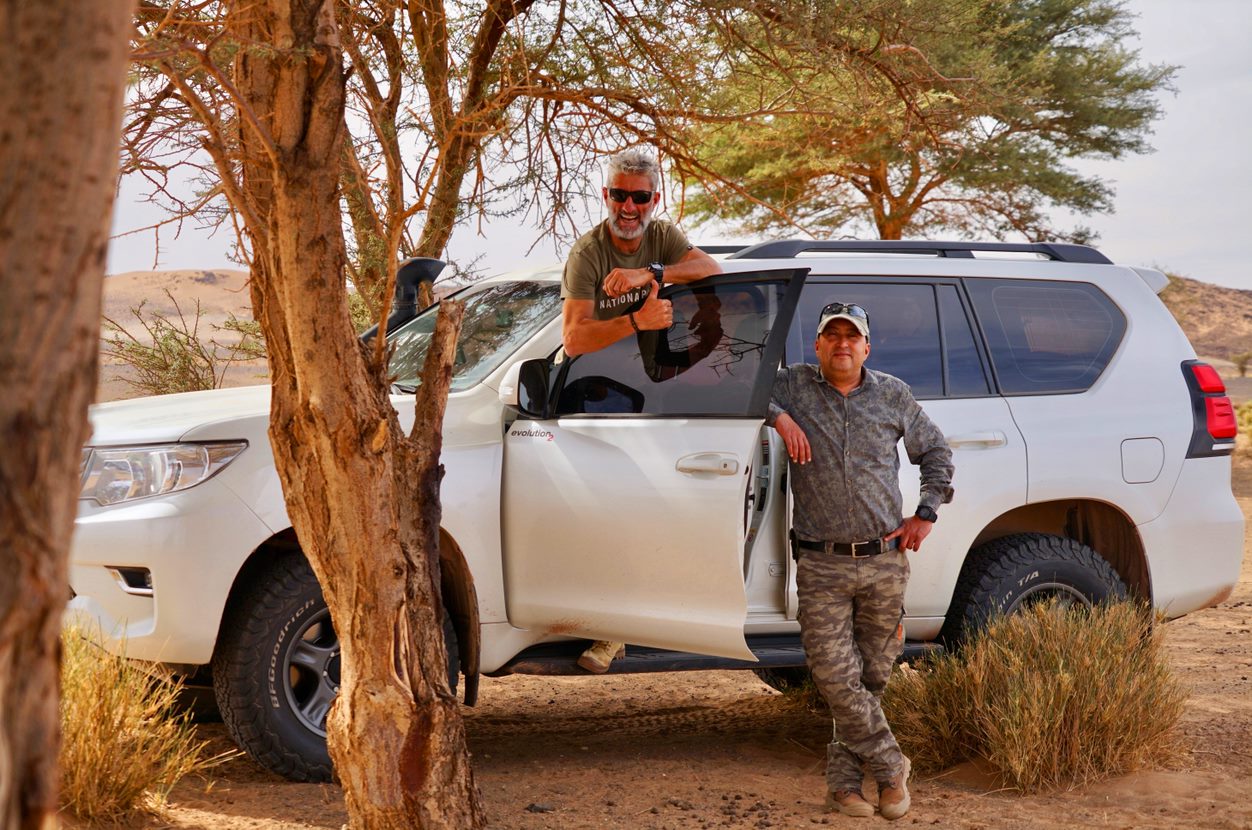
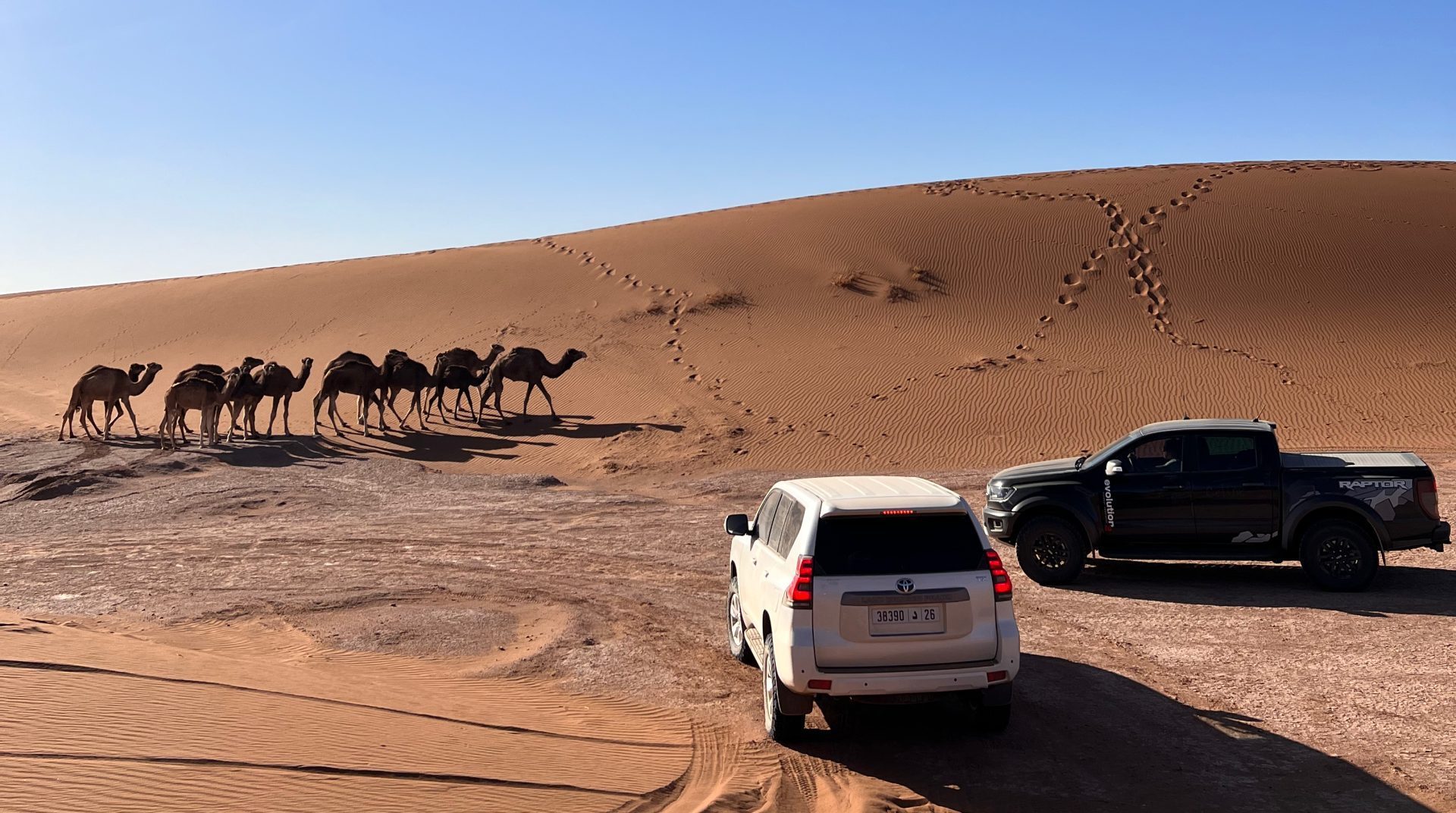
And yes, unfortunately 4X4s do pollute...
We've been travelling the African continent from north to south for over a decade now, and we've seen first-hand the damaging effects of overtourism. Observing the harmful impacts of this type of tourism has strengthened our conviction that it is essential to reinvent the way we travel.
Of course, we offer road trips, safaris and 4X4 escapadesBut travelling with Africantrip is above all about re-educating our view of the world around us, its beauty and fragility. We are firmly convinced that to better protect nature it is essential to get to know it well by going out to meet it.
And so we present to you the 7 commandments which guide us in our efforts to reduce our impact on the environment.
1) Implementing a strict policy of transparency with regard to our environmental impact
We assess the carbon impact of each of our excursions using the online calculator of the French Environment and Energy Management Agency (ADEME). Accommodation, transport, lodging, return flights... This allows us to clearly identify our action levers and can also be a criterion for choice if you're hesitating between two tours.

For your tailor-made road trips and safaris, the impact on the environment is one of the factors that guides us in planning your trip.
2) Learning about the environments and biodiversity we encounter
This commandment number 2 is doubly binding: on the one hand, it is essential to know the local flora and fauna precisely so as not to disturb them during our activities.

We are also convinced that discovering the splendid landscapes and the many species that inhabit our planet helps us to realise how rich it is and how important it is to change our behaviour in order to preserve it.

3) Eat local, seasonal produce, with an emphasis on organic produce
And yes, agriculture is responsible for a fifth of greenhouse gas emissions, mainly because of the transport of produce, which often involves polluting means of transport.
We therefore favour short circuits and the consumption of seasonal produce.
Agriculture accounts for a significant proportion of Morocco's GDP (11%), particularly through the cultivation of oranges, clementines, potatoes, tomatoes, carrots and wheat. You'll be spoilt for choice! Your road trip can also include visits to the weekly souk, where local farmers gather to sell their produce and buy what they need.

In South Africa, there's something for everyone! Maize, grapes, oranges, avocado, sorghum, etc.
To give you as much flexibility as possible, our road trips are available on a half-board basis, so you can enjoy couscous with local vegetables in the middle of the desert or a 'bobotie' in Cape Town, so get your taste buds ready!
4) Save water and electricity when bivouacking in the countryside
Your water and electricity consumption is drastically reduced during a week's bivouac compared with a week in a conventional lifestyle. To make the most of the stars, we turn off the lights...

Apart from the petrol you'll be using in your 4×4, everything else will be reduced: your water consumption, with showers of 10 litres of water instead of the normal 35 to 60 litres, and your electricity consumption, as you'll need very little lighting, no heating, no household appliances, etc.
Your pace of life will be much slower and your days so full of adventure that you'll be able to leave your phone at the bottom of your bag.
5) Working with partners aligned with our values
The hotels, campsites and other accommodation we work with have been selected according to two main criteria:
- Their quality of service
- And their CSR commitments

The perfect example of this type of partnership is the one we have entered into with Kamoka Camp, an ecolodge located in the Bona ingwa nature reserve in South Africa. This ecolodge offers a real model for society by promoting an innovative form of tourism - community-based tourism.
Its close collaboration with the NGO Daktari Bush School & Wildlife Orphanage enables Kamoka camp guests to get involved in the association's projects and to meet the inhabitants of the neighbouring village during cultural activities (cookery classes, traditional dressmaking, etc.).

6) Working hand in hand with change agents
The countries we are travelling through have an extremely dense network of associations (over 50,000 NGOs in total in South Africa) which need visibility so that their projects can continue to grow.
If you choose a solidarity road trip, you'll have the opportunity to make a difference in your own way. By visiting or participating directly in the projects of associations committed to protecting the environment (reforestation, environmental education, etc.), such as ICD Afrique and Nébéday in Senegal or Daktari in South Africa.

7) "We travel to change ideas, not places".
This quote from Hypolite Taine perfectly illustrates our philosophy of travel at African trip. By offering you an authentic experience, with real cultural immersion in the villages and regions you will cross in our 4X4 vehicles, our ambition is to change the way you look at things.
In South Africa, for example, you will certainly have had the opportunity to observe the king of the jungle, but you will also have talked and exchanged ideas with the inhabitants of the surrounding villages and learnt about their culture, their traditions and their still extremely strong relationship with nature.
BONUS: Don't shower for a week to save water
You've got to be joking. Even on wild bivouacs you'll have solar showers available. So yes, you'll have to be thrifty with water but you'll be able to wash up properly 🙂
If you have any questions or suggestions, don't hesitate to leave a comment!
So when are you leaving?